


ESSENTIAL CAR AC MAINTENANCE TIPS
Keep your car’s AC in top shape with these simple do’s, don’ts, and troubleshooting steps:
4 Do’s:
-
Do Run Your AC Regularly: Even in cooler months, run your AC for about 10-15 minutes each week. This helps keep the seals lubricated and the system working smoothly.
-
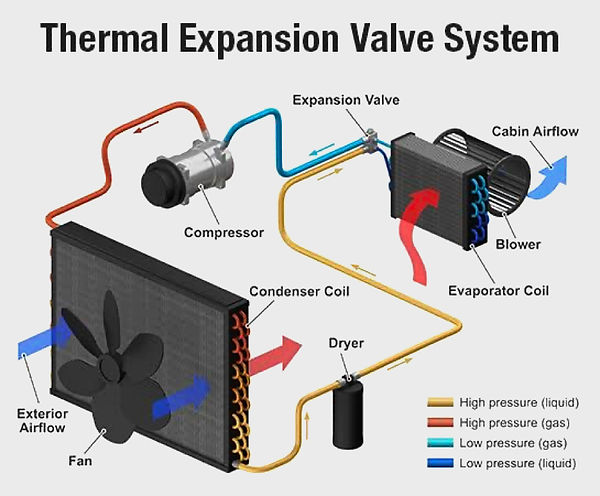
Do Keep the Condenser Clear: The condenser (usually in front of the radiator) needs good airflow. Occasionally check and gently clean away any leaves, bugs, or debris.
-
Do Replace Your Cabin Air Filter: A dirty cabin air filter restricts airflow and can cause unpleasant odors. Check your car’s manual for replacement intervals.
-
Do Get Regular AC Checks: Schedule a professional AC service with us to catch potential issues early.
4 Don’ts:
-
Don’t Ignore Strange Noises or Smells: These are often early warnings of developing problems. Get them checked out promptly.
-
Don’t Just Keep Regassing if You Suspect a Leak: If your AC needs frequent regassing, there’s likely a leak. Our car aircon leak detection service is essential here. Continuously regassing a leaking system is bad for the environment and your wallet.
-
Don’t Use DIY Regas Kits with Sealant: While tempting, these kits can often cause more harm than good, potentially blocking the system components and leading to more expensive repairs. Always rely on a certified professional.
-
Don’t Forget About the Hoses: AC hoses can degrade over time. A visual inspection during service can spot potential car air conditioning hose repair needs before they cause a major refrigerant loss.
Basic Troubleshooting Steps:
-
Check Fuses: If your AC suddenly stops working, a blown fuse could be the culprit. Consult your car’s manual to locate and check the relevant fuse.
-
Inspect the Cabin Air Filter: As mentioned, a clogged filter can severely reduce airflow.
-
Listen for the Compressor: When you turn the AC on, you should hear a click as the compressor clutch engages. If not, there might be an electrical issue or a problem with the compressor itself.
-
Look for Obvious Leaks: While not always visible, sometimes you might see oily patches around AC lines or components.

5 COMMON CAR AC ISSUES & TROUBLESHOOTING TIPS
Beyond the 5 Common Signs Your Car AC Needs a Regas
While low refrigerant is a frequent issue, other problems can plague your car’s air conditioning:
-
Refrigerant Leaks:
-
Symptom: AC cools poorly and needs frequent regassing.
-
Troubleshooting: Professional car aircon leak detection is required. Common leak points include hose connections, seals, or the condenser.
-
-
Faulty Compressor:
-
Symptom: No cold air, strange noises (grinding, squealing), or the AC clutch doesn’t engage.
-
Troubleshooting: This usually requires professional diagnosis. It might be an issue with the compressor itself or its clutch. A car AC compressor replacement can be a significant repair, so early diagnosis is key.
-
-
Blocked Condenser:
-
Symptom: AC performs poorly, especially when stationary or in slow traffic. The engine may also run hotter.
-
Troubleshooting: Inspect the condenser (in front of the radiator) for debris like leaves, bugs, or dirt. Gently clean it if necessary. If it’s internally blocked, it may need professional flushing or replacement.
-
-
Electrical Issues:
-
Symptom: AC not turning on, intermittent operation, or blower fan not working.
-
Troubleshooting: Check fuses and relays first. Problems could also stem from faulty wiring, pressure switches, or climate control unit. This often requires an auto electrician or a specialist like us.
-
-
Blower Motor or Resistor Problems:
-
Symptom: Airflow is weak or only works at certain speeds, or no airflow at all despite the AC system seeming to cool.
-
Troubleshooting: If the fan only works on high, the blower motor resistor is a likely culprit. If there’s no fan at all, the motor itself or its fuse/wiring could be the issue.
-
CAR AIR CONDITIONING REGAS 5 THINGS TO KNOW
-
On average, your vehicle will need a re-gas every 1.5-2 years. So, if it has been a while, it is time to take your car in for a re-gas.
-
On average, your vehicle will lose around 10 percent of the refrigeration gas yearly. As it leaks refrigerated gas like R134a or even R1234yf, it will stop producing as much cold air as you would like.
-
How long the re-gas process takes varies according to your vehicle type. But you can count on it to take an hour.
-
You need an appointment to have a re-gas. Call and ask for an appointment to have your air conditioner checked out. Let the Car aircon mechanic know it is time for a re-gas.
-
Your vehicle’s air conditioner will work better overall if you continue to get it re-gassed as needed.
CONTACT
Got a Question?
Give us a call, send an email, or fill out the form—let's chat!
Contact
Working hours:
7:00 am to 5:00 pm Monday - Friday
7:00 am to midday Saturdays
We're Here to Help!